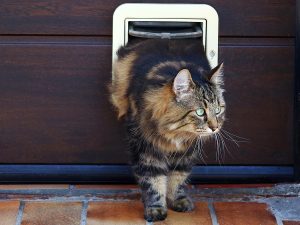

Choosing the right cat flap can make a noticeable difference to your pet’s safety, comfort, and daily routine. With modern options available, pet owners are no longer limited to basic designs. Two of the most popular choices today are microchip and magnetic cat flaps, each offering unique benefits depending on your household and environment.
If you are deciding between the two, understanding how they work and what sets them apart will help you make a confident and practical choice.
1. How Magnetic Cat Flaps Work
Magnetic cat flaps operate using a simple mechanism. Your cat wears a collar with a small magnet that triggers the flap to unlock as it approaches.
This system is straightforward and affordable, making it a popular choice for many households. However, it does come with limitations. Any cat with a similar magnetic collar could access your home, leading to unwanted visitors.
Magnetic flaps are best suited for quieter neighbourhoods where the risk of stray or neighbouring cats entering your home is minimal.
2. Installation Considerations and Practical Setup
Choosing the right system also depends on how and where it will be installed. Proper fitting is essential to ensure insulation, security, and durability. Whether you opt for a microchip or magnetic system, professional cat flap installation ensures the flap is securely fitted into glass doors, walls, or uPVC panels without compromising structural integrity.
Installation quality directly impacts performance. A poorly fitted flap can lead to draughts, water ingress, or even security vulnerabilities. Investing in expert installation ensures long-term reliability and peace of mind.

3. How Microchip Cat Flaps Work
Microchip cat flaps use advanced technology to recognise your cat’s unique microchip ID. When your pet approaches, the flap scans the chip and unlocks only for registered animals.
This provides a higher level of security and control. Many models can store multiple microchip IDs, making them ideal for multi-pet households.
Unlike magnetic systems, microchip flaps eliminate the need for collars, reducing the risk of your cat losing access if a tag is missing or damaged.
4. Security: Which Option Keeps Your Home Safer?
Security is one of the biggest differences between these two types.
Magnetic flaps provide basic access control, but they cannot distinguish between different animals. This means other pets with similar magnets can enter your home.
Microchip cat flaps, on the other hand, offer a highly secure solution. They allow only recognised pets to enter, significantly reducing the risk of stray animals getting inside. For households in busy areas or with multiple neighbouring pets, microchip flaps are the more secure choice.
5. Convenience and Ease of Use
Magnetic cat flaps require your pet to wear a collar at all times. While many cats tolerate collars, some may find them uncomfortable or lose them frequently.
Microchip flaps remove this inconvenience entirely. Since most cats are already microchipped, the system works seamlessly without additional accessories.
For pet owners seeking a hassle-free solution, microchip cat flaps provide greater convenience and reliability over time.
6. Cost Comparison: Budget vs Long-Term Value
Magnetic cat flaps are generally more affordable upfront. They are simple devices with fewer components, making them a budget-friendly option.
Microchip cat flaps come at a higher initial cost due to their advanced technology. However, they often provide better long-term value by reducing issues such as unwanted animal entry, lost collars, or repeated replacements.
When evaluating cost, it is important to consider not just the purchase price but also durability, maintenance, and overall effectiveness.
7. Suitability for Different Households
The best choice often depends on your living environment and your cat’s behaviour.
Magnetic cat flaps may suit:
- Single-cat households
- Quiet residential areas
- Owners looking for a low-cost solution
Microchip cat flaps are ideal for:
- Multi-pet households
- Urban or busy neighbourhoods
- Owners prioritising security and convenience
Matching the flap type to your specific needs ensures better functionality and satisfaction.
8. Durability and Maintenance
Both types are designed for regular use, but microchip cat flaps often feature more robust construction and advanced locking systems.
Magnetic flaps are simpler, which can make them easier to maintain, but they may wear out faster due to mechanical limitations.
Microchip flaps, while slightly more complex, typically offer better longevity and performance, especially in high-traffic households.
Conclusion
Both microchip and magnetic cat flaps serve the same core purpose—giving your cat the freedom to move in and out independently. However, the difference lies in how effectively they manage access and security.
Magnetic flaps are simple, affordable, and suitable for low-risk environments. Microchip flaps, meanwhile, provide superior control, enhanced security, and greater convenience for modern households.